Complete Guide to Proper Dumpster Loading
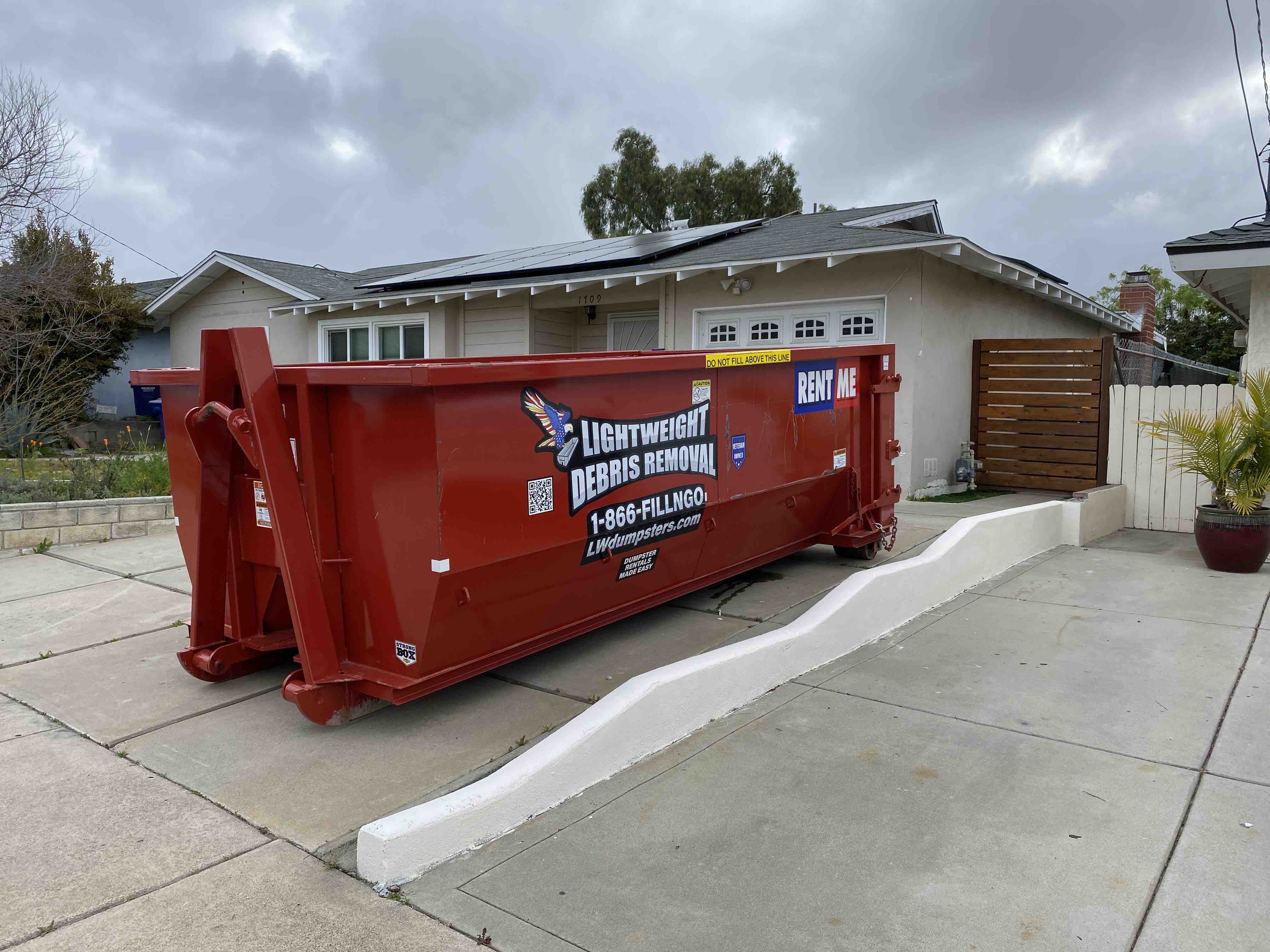
Whether tackling a renovation, cleanup, or building project, you might think dumpster loading is an easy step. But the way items are positioned affects how efficiently you use space, how safely you work, and how quickly you finish. Most people don’t realize how much strategy goes into correct dumpster loading, which can cause space loss, safety hazards, and unnecessary project delays.
At Lightweight Debris Removal, we emphasize that proper dumpster loading is just as vital as choosing the right container size. By staying organized, you can make the most of your dumpster and keep operations safe and smooth. Our mission is to guide clients in getting maximum value from their dumpster rental by promoting smart loading practices that cut clutter, prevent harm, and make cleanup more efficient.
Organizing Before You Begin Loading
Before filling the dumpster, taking time to organize is essential. Evaluate the debris you plan to throw away and separate recyclables or items needing careful handling. This preparation helps streamline the process and saves time from having to rearrange materials later. It also makes handling safer by isolating hazardous or sharp materials.
Planning how items will be loaded is another critical step. Start by positioning large, heavy pieces at the bottom for balance. Then add lighter or smaller debris to fill remaining gaps. Proper planning prevents uneven distribution and potential shifting during transport. Strategic organization leads to safer, faster, and more effective loading results.
Smart Space Management for Dumpster Loading
Proper space utilization can make a major difference in how much waste fits. Large or bulky debris should be dismantled to conserve room. Flattening boxes, removing doors, and taking apart parts allows more capacity and prevents wasted space. It helps you fit additional material here without overcrowding or instability.
Another good method is layering your load properly. Use sturdy flat pieces as a bottom layer. Continue with smaller, lighter waste to fill the cracks and corners. Avoid stacking debris past the dumpster’s top edge to maintain safety. Layering effectively ensures a neater, safer, and more productive loading experience.
Ensuring Safety While Loading a Dumpster
Safety should be at the forefront during every loading task. Wearing gloves, strong shoes, and protective gear helps prevent cuts and injuries. Before you start, ensure the area is free from obstacles or tripping hazards. Maintaining situational awareness prevents accidents and improves teamwork.
Refrain from throwing objects into the dumpster carelessly, because this might lead to unstable loads or dented surfaces. Instead, place objects deliberately and with control. Seek help when lifting oversized objects to prevent strain or accidents. Prioritizing safety not only protects workers but keeps operations steady and efficient.
Organizing and Managing Waste Materials Effectively
Sorting materials before and during dumpster loading is one of the best ways to maintain order. Group similar items like metal, wood, or household waste together. Doing so not only streamlines the loading phase but also simplifies unloading and proper disposal. You’ll also easily spot recyclable materials, reducing waste and encouraging sustainable habits.
Proper organization eliminates the hassle of moving things around later. Place lightweight materials such as cardboard or fabric on top, while heavy objects go below. By organizing weight properly, the dumpster remains secure and tidy. Being organized saves time and creates a smoother, more professional workflow from start to finish.
Preventing Property Damage During Dumpster Placement
While dumpsters are sturdy, the surfaces they rest on can be fragile. Placing wooden planks or similar barriers underneath distributes weight and prevents surface damage. This easy precaution helps maintain the integrity of your property during the project.
Where you position the dumpster affects both convenience and safety. Opt for a stable, easy-to-reach area that won’t obstruct entryways or paths. Keep it at a safe distance from fences, walls, or gardens that might be impacted. By combining smart placement with surface protection, you create a safer and cleaner workspace.
Efficient Dumpster Use for Major Projects
Major cleanup efforts can produce a steady stream of waste that requires planning. Creating a staging area where waste is sorted before reaching the dumpster can streamline loading. This keeps the dumpster evenly filled from front to back and minimizes later rearranging.
Encouraging teamwork and good communication boosts workflow efficiency. Divide responsibilities among your team to maintain consistent progress. When everyone knows their tasks, the process runs faster and stays organized. Proper organization ensures large-scale tasks are finished smoothly and on time.
Understanding Restricted Dumpster Items
Certain items aren’t permitted in regular dumpsters, making awareness essential. Materials like paints, batteries, and chemicals require special disposal methods. Improper disposal can damage the environment and lead to regulatory issues. Verify acceptable items beforehand to avoid penalties or issues.
Avoid exceeding the dumpster’s weight or fill limit to prevent safety risks. Overflowing containers lead to instability and may require extra handling. Proper loading maintains safe handling and regulatory compliance. Awareness of limits helps avoid issues during collection and hauling.
Choosing a Dependable Dumpster Rental Partner
Partnering with a trustworthy service improves your overall project results. Lightweight Debris Removal offers expert dumpster rental services designed for both homeowners and contractors. We ensure on-time delivery, responsive assistance, and easy pickup for every customer.
Selecting a customer-focused company enhances your rental experience. Clear communication, reliability, and efficiency are what make a project succeed. Lightweight Debris Removal continues to prioritize safety, organization, and customer satisfaction in every rental experience.
Building a Well-Structured and Productive Work Area
Efficient dumpster loading directly impacts overall project productivity. Keeping order at the site minimizes distractions and enhances coordination. Through planning and efficient methods, you’ll complete jobs faster and cleaner.
Lightweight Debris Removal encourages clients to see dumpster use as more than just disposal. This approach enhances safety, promotes productivity, and preserves property. With proper organization, attention to detail, and dependable support, efficient loading becomes key to project success.